Scars on the face — whether from past breakouts, injury, surgery, or other skin trauma — can leave a lasting impression. They can affect not only how your skin looks, but also how you feel about yourself. At BeautyOne Clinic in Toronto, we believe that treating facial scars isn’t just about changing your appearance — it’s about rebuilding your confidence, healing your skin and restoring your sense of wellbeing. Our approach blends science, precision, and compassionate care to help you achieve smoother, healthier skin that reflects your inner strength.
In this article, we’ll explore what causes face scars, how modern treatments work, and why BeautyOne’s personalized, holistic approach stands apart — integrating aesthetics with emotional resilience and long-term skin health.
Understanding Facial Scars: Causes and Types
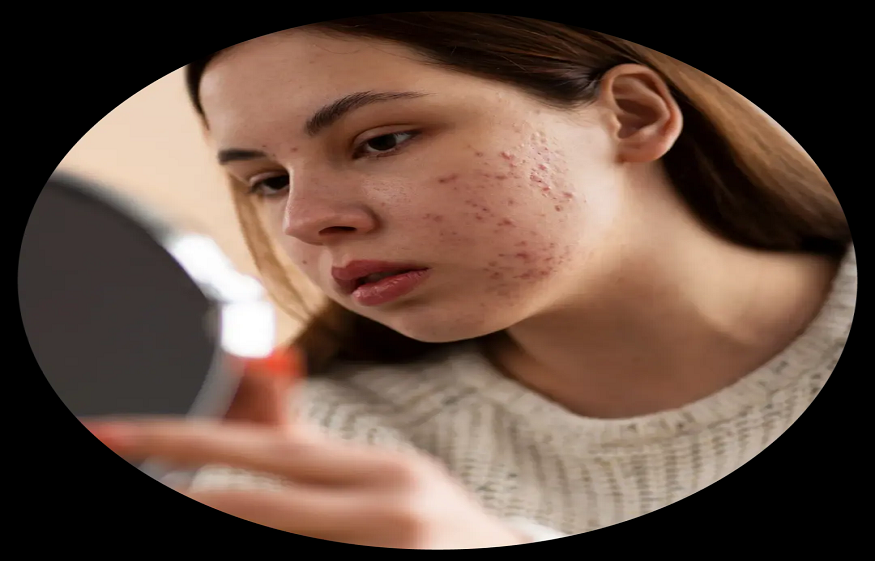
Facial scars can form for many reasons, but one of the most common causes people seek treatment for is acne scarring — the leftover marks and texture changes from past breakouts that didn’t fully heal. Acne scars develop when deeper inflammation damages collagen and elastin, the structural proteins that support healthy skin. The result can be indentations, raised areas, uneven texture, or pigmentation changes.
Scars can vary widely in appearance and depth:
- Rolling scars are broad depressions with sloping edges.
- Boxcar scars are wider with well-defined edges.
- Icepick scars are narrow and deep pits.
Different scar types respond best to different treatments, which is why a personalized consultation is so important before choosing a path forward.
The BeautyOne Difference: A Holistic, Personalized Vision
At BeautyOne Clinic, we don’t treat scars in isolation. We understand that skin health, emotional wellness, and self-perception are deeply connected — which is why every treatment plan begins with a comprehensive assessment that considers your skin history, lifestyle, expectations, and comfort level.
BeautyOne’s signature Transformational Cognitive Behavioral Therapy (tCBT) framework isn’t just about skin — it’s about your story, including how scars may have affected your confidence and self-image. We aim to create treatment strategies that support healing on both physical and emotional levels, rather than simply “covering up” surface concerns.
Modern, Evidence-Based Face Scar Treatments
There is no single universal solution for facial scars — but there are highly effective treatments, particularly when combined intelligently and guided by clinical expertise.
1. Microneedling & RF Microneedling
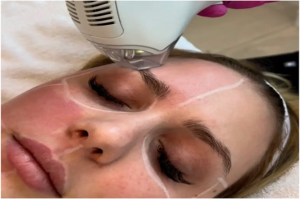
Microneedling is a proven method that uses tiny, sterile needles to create micro-injuries in the skin. These controlled injuries encourage the body’s natural healing response, stimulating new collagen and elastin production — key components for smoothing scars and improving texture.
At BeautyOne, microneedling is personalized to your skin type and scar pattern, and can be enhanced with boosters like PRP (platelet-rich plasma) or growth factors when appropriate. This regenerative approach can significantly improve the appearance of acne scars while refining overall texture.
Fractional radiofrequency microneedling (RF microneedling), such as Sylfirm X, combines microneedling with radiofrequency energy to deliver deeper collagen remodeling with minimal surface trauma — an excellent option for texture irregularities, scars, and skin laxity.
2. Nanofractional RF Resurfacing (Venus Viva™)
For many clients, Venus Viva™ nanofractional radiofrequency resurfacing offers a powerful yet gentle pathway to smoother skin. This technology delivers targeted heat beneath the skin’s surface, stimulating repair and new tissue remodeling while preserving the outer skin layer.
This method is especially effective for improving acne scarring, rough texture, and enlarged pores — all common components of facial scar concerns. Unlike more aggressive ablative lasers, nanofractional RF tends to have less downtime and a lower risk of pigmentation complications, making it a versatile choice for many skin tones.
3. Medical-Grade Facials and Preparatory Treatments
Before or between advanced procedures, medical-grade facials can prep and support skin health. These facials focus on strengthening the skin barrier, controlling inflammation, and enhancing skin resilience — which can improve outcomes when paired with deeper scar-targeting therapies.
This preparatory and maintenance care is part of a long-term strategy that helps skin respond more effectively to scar treatments and rejuvenation protocols.
4. Combination Approaches for Best Results
Evidence strongly supports multimodal approaches — combining micro-injury techniques like microneedling with resurfacing technologies and, in some cases, chemical peels or lasers — for more comprehensive scar improvement.
For example, microneedling plus RF energy may be combined over multiple sessions to enhance collagen induction and texture refinement. Custom protocols may also integrate post-treatment products or adjunctive therapies to optimize healing and long-term skin quality.
What to Expect: Consultation to Healing
Your journey begins with a detailed consultation at BeautyOne Clinic in Toronto. Here’s what that process typically involves:
- Assessment: We examine your skin, scar types, skin tone, and texture concerns.
- Lifestyle & Goals: We discuss your expectations and how scars affect your confidence and routines.
- Customized Plan: Based on your needs, we craft a personalized sequence of treatments — from preparatory facial care to targeted resurfacing or collagen-inducing options.
- Support & Aftercare: We guide you through every step, including healing timelines, product recommendations, and maintenance strategies.
Every step is rooted in the latest scientific evidence and paired with the supportive, compassionate care that BeautyOne is known for.
Why Professional Care Matters for Facial Scars
Scars — especially deeper acne or injury scars — don’t always respond well to generic over-the-counter products. While gentle exfoliants, retinoids, and SPF can support skin health, professional treatments work at the dermal level (beneath the surface) where true remodeling happens.
Treatments like RF microneedling and nanofractional resurfacing are designed to stimulate your skin’s natural repair processes, encouraging healthier collagen and elastin architecture over time. These approaches are generally more effective — especially for depressed or textured scars — than surface-level solutions alone.
Managing Expectations and Long-Term Care
It’s important to approach scar treatment with realistic expectations. While many clients see significant improvements, complete elimination of scars may not be possible — and the most effective results often come from multiple sessions over time tailored to your individual skin pattern.
BeautyOne’s clinicians work with you to set clear goals, monitor progress, and adapt your plan as your skin responds. Because scarring involves changes in collagen architecture, patience and personalized guidance are key to achieving satisfying, long-lasting results.
Final Thoughts: A Journey Beyond Surface Beauty
Facial scars — whether from acne, injury, or other causes — can feel like reminders of the past. But at BeautyOne Clinic in Toronto, we see them as opportunities for renewal, resilience, and transformation. Our individualized, science-driven treatment plans — rooted in both aesthetics and holistic wellbeing — help you rebuild smoother, healthier skin while supporting your confidence at every step.
If you’re ready to explore how scar treatment can help you feel more like you — not your scars — we invite you to book a consultation and begin your personalized journey at BeautyOne.
- Visit us at our Toronto clinic
- Book Online
- Call to schedule your consultation: (647) 377-4181